Cheese Pizza Boulder, Colorado: Local Flavors You Need to Try

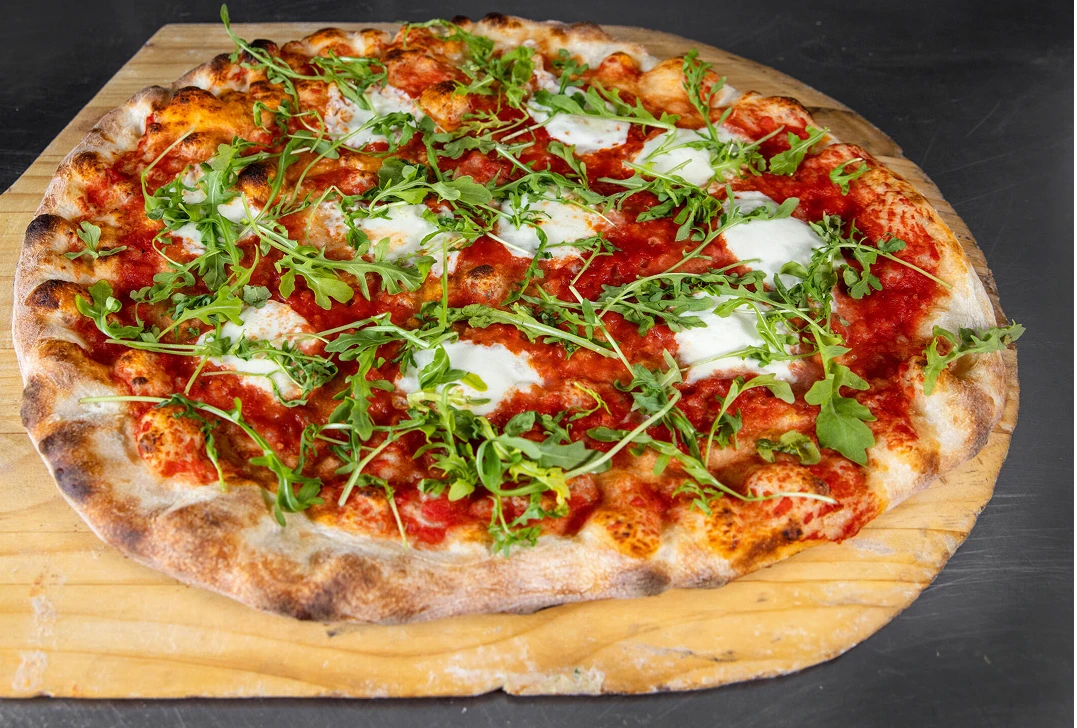
Cheese pizza sounds simple until you spend time eating your way through Boulder. Then it stops being a default order and starts acting like a measuring stick. Strip away pepperoni, sausage, hot honey, and every other extra, and what remains has nowhere to hide. The crust has to hold its own. The sauce has to taste alive. The cheese has to melt with purpose, not just blanket the pie. In a city like Boulder, where diners tend to care about ingredients and kitchens often build their identity around sourcing, a plain cheese pizza can tell you more than a loaded specialty pie ever will.
That is what makes Cheese Pizza Boulder, Colorado worth talking about on its own terms. Boulder’s pizza scene is shaped by a mix of influences that do not always coexist elsewhere. You have college-town casualness, mountain-town appetite, and a Front Range preference for ingredients that feel fresh rather than heavy-handed. Some pizzerias lean old-school, chasing chew, char, and restraint. Others aim for comfort, with thick layers of mozzarella and a sweeter sauce. Many sit somewhere in the middle, which is often where the most satisfying cheese slices live.
If you are looking for local flavors to try, the real story is not a gimmick topping or a novelty crust. It is the way Boulder’s food culture changes the fundamentals. A cheese pizza here often feels cleaner on the palate, brighter with tomato, and more attentive to dairy quality than what you find in more purely volume-driven pizza towns. That does not make it better by default. It does make it distinct.
Why a plain pie reveals so much
Ordering cheese pizza is the fastest way to figure out what a pizzeria believes in. There is no camouflage. If the dough is under-fermented, you taste it. If the oven cannot produce proper browning, you see it. If the cheese blend is cheap or unbalanced, your first bite tells the story.
In Boulder, this matters because many shops talk a good game about quality. Some truly deliver, and the easiest way to test them is with the simplest pie on the menu. I have had excellent cheese pizzas in cities where the room was loud, the booths were worn, and no one mentioned local sourcing because the pie did all the talking. Boulder can add another layer. Here, kitchens often think about flour choice, dairy, produce, and even olive oil with the same seriousness coffee shops apply to espresso.
That means a cheese pizza in Boulder may come with more nuance than you expect. One place might use low-moisture mozzarella for stretch and salt, then finish with a smaller amount of fresh mozzarella for softness. Another might keep the sauce uncooked before it hits the oven, preserving the sharp edge of tomato. A third may use a naturally leavened dough that brings a faint tang and deeper aroma. None of this needs a menu essay. You notice it in the second bite, when the pizza starts to show its structure.
Boulder’s food culture changes the pie
Boulder is not New York, New Haven, or Chicago, and that is a good thing. The city does not carry the burden of a single dominant pizza tradition, so pizza makers have room to borrow and adapt. One result is variety. Another is a certain degree of earnestness, for better and worse.
The better side is obvious. You find kitchens that care about ingredients in a way that lifts even a basic cheese pizza. Good dairy matters here. Colorado’s broader food culture has long supported strong relationships between restaurants and regional producers, and that ethos often makes its way into pizza. Even when a shop is not naming a specific creamery, you can taste whether the mozzarella was chosen for flavor and melt rather than just cost. There is often a cleaner finish, less grease pooling, and a better balance between fat and salt.
The other side is that some pies can become a little too careful. Pizza needs life. It needs contrast, char, acid, and enough seasoning to avoid blandness. An overthought cheese pizza can end up feeling polite rather than memorable. Boulder occasionally falls into that trap. A virtuous ingredient list does not rescue a timid bake. If the crust never blisters and the sauce barely wakes up the cheese, the pie will disappoint no matter how locally aligned it sounds.
The best Boulder pies avoid that problem by treating quality ingredients as a foundation rather than a personality. They let the dough brown deeply. They season the sauce. They understand that cheese pizza should still taste like pizza first.
The crust styles you are likely to find
One of the pleasures of eating pizza in Boulder is that no single crust style dominates every menu. You can usually find at least three distinct approaches, and each suits cheese pizza differently.
A thinner, New York-inspired crust works when the dough has enough strength to fold and enough color on the underside to stay crisp through the center. This style highlights sauce and cheese balance more than almost any other. If the mozzarella is too heavy, the slice droops. If the sauce is too sweet, the whole thing tastes one-note. A good Boulder version tends to feel slightly lighter than East Coast counterparts, with a touch more openness in the rim and less oil in the cheese layer.
Neapolitan-style pies have their own logic. On a cheese pizza, they can be stunning for the first two minutes out of the oven. You get a soft, leopard-spotted crust, bright tomato, milky pools of cheese, and a little steam trapped under the surface. But this style is unforgiving if you are expecting a sturdy slice. It is best treated as knife-and-fork pizza or eaten quickly, before moisture softens the center. Boulder diners generally understand that trade-off, especially in places with wood-fired ovens and a strong sit-down crowd.
Then there is the thicker, more comfort-driven pie, whether that means pan pizza, Sicilian-inspired squares, or a medium-thick hand-tossed crust. Cheese pizza loves this format when the kitchen gets the bake right. The extra crumb can handle more sauce and a richer cheese blanket, while the edges develop a toasted, almost buttery crunch. In colder weather, or after a long day outdoors, this kind of pie feels especially right in Boulder.
The role of Colorado dairy
You cannot talk seriously about Cheese Pizza Boulder, Colorado without talking about dairy. Cheese is not a generic ingredient, even when it arrives in shredded form. Texture, moisture, salinity, and browning all change the way a pizza eats.
Colorado does not market itself as loudly for mozzarella as Wisconsin or parts of the Northeast, but the broader regional dairy culture still matters. Restaurants in Boulder often have access to good cheese sourcing, and you can feel the difference in how pies melt and finish. Better mozzarella stretches without turning rubbery. It browns in spots rather than sweating into an oily sheet. It leaves flavor behind after the bite instead of fading into dairy softness.
Many excellent cheese pizzas use more than one cheese, even if the menu simply says “mozzarella.” A low-moisture base builds structure and that familiar pull. Fresh mozzarella adds creaminess. Some kitchens fold in provolone for depth or a restrained amount of parmesan for sharpness. Boulder pizzerias that understand balance tend to use these blends quietly. You are not supposed to identify each component like a tasting flight. You are supposed to notice that the pizza tastes complete.
That completeness matters more on a cheese pie than anywhere else. When toppings are absent, every dairy decision gets amplified.
Sauce matters more than most diners admit
People love to talk about crust because it is easy to see and easy to romanticize. Sauce gets less attention, but on a cheese pizza it often determines whether the slice tastes flat or alive.
Boulder kitchens tend to lean away from extremely sugary sauces, which is usually a good thing. You are more likely to encounter tomato with some brightness left in it, maybe a little garlic, maybe oregano used with a light hand, maybe olive oil rounding the edge. The best versions know exactly how much acid the cheese can absorb before the pie starts feeling sharp.
I have eaten plenty of cheese pizzas where the crust was technically competent and the cheese was fine, yet the whole slice felt tired because the sauce sat there like red paste. Then I have had pies where the sauce changed everything. One bite and the pizza suddenly had lift. The dairy tasted richer because the tomato cut through it. The crust tasted wheatier because the sauce was not coating the palate with sugar.
If you are choosing between two places in Boulder and one looks more serious about tomato, that is often the safer bet for a cheese pie.
Local flavor is not always a topping
When people hear “local flavors,” they often think of unusual ingredients. In Boulder, local flavor is just as often a matter of posture. It shows up in how the pie is built and served, not just what gets sprinkled on top.
A Boulder cheese pizza may come out with a lighter hand than one from a traditional East Coast corner shop. That is not necessarily a sign of stinginess. It can reflect a preference for balance and digestibility. You may notice less grease on the plate, more blistering on the rim, and a fresher tomato profile. You may also notice that some places are more willing to let the dough speak, with a crust that tastes fermented and a touch grainy rather than purely neutral.
There is also the atmosphere around the pizza. Boulder has plenty of diners coming off the trail, out of the office, or through town for the weekend. That creates demand for food that satisfies without flattening you. A well-made cheese pizza fits perfectly into that rhythm. It can be lunch after a hike, dinner with a local beer, or a late slice after an event downtown. The city’s pace influences the pie as much as its ingredients do.
What to look for when you order
If you want the best shot at a memorable cheese pizza in Boulder, timing and context matter. Pizza is one of the most sensitive restaurant foods. A pie at 6:15 on a Tuesday can be more precise than the same pie at 7:45 on a slammed Saturday. That does not mean busy service is always worse. Some shops actually hit their stride under volume. But cheese pizza exposes inconsistency quickly, so it helps to be strategic.
Look first at the bake. You want a crust with visible color, not pale beige. The cheese should be melted into the pie rather than sitting on top like a separate layer. The sauce, if visible, should still look like tomato, not a dull red smear. A little blistering is a good sign. Excess liquid in the center is not, unless you knowingly ordered a very soft Neapolitan-style pie.
Temperature matters too. Cheese pizza is often best after a short rest, maybe two minutes, when the molten top settles and flavors come into focus. Straight from the oven, many pies burn hot enough to mute their own detail. Give it a moment and you can tell whether the kitchen got the balance right.
One practical detail people overlook is how the slice tastes at the heel. If the outer crust is bland and dry, the dough likely lacks maturity. In a good pie, that last bite should still have character, whether from fermentation, salt, char, or a brush of oil.
Dine-in and takeout are not the same experience
This is especially true in Boulder, where weather, elevation, and distance all affect how pizza travels. Cheese pizza is surprisingly vulnerable in a box. Steam softens the crust. Fresh mozzarella releases moisture. A pie that was Cheese Pizza Boulder, Colorado Brooklyn Pizza beautifully balanced on the pass can arrive at your table or door a little sagged out.
For that reason, the local flavors you need to try often show best in the restaurant. If a shop is known for thin crust or wood-fired pies, eat there if you can. You will get the crust at its best and the cheese before it tightens. If you need takeout, thicker-crust styles generally hold up better, especially those with a sturdier base and more aggressive bake.
Boulder’s dry climate helps in some ways because slices do not stay limp forever, but the first ten minutes still matter. If you are carrying out, open the box briefly once you arrive so steam can escape. It is a small habit, but it can save the bottom crust.
Pairing a Boulder cheese pizza with the rest of the table
Boulder is a strong beer town, and cheese pizza benefits from that. A crisp pilsner, dry lager, or pale ale can cut through the dairy without drowning the tomato. If you lean toward wine, a bright sangiovese or barbera usually works better than something heavily oaked. Sparkling water with a squeeze of lemon is underrated if you actually want to taste the pie.
This matters because local flavor is partly about context. A cheese pizza in Boulder often shares the table with salads built around assertive greens, housemade dressings, or seasonal vegetables. That can be a blessing. The freshness around the meal sharpens your sense of the pizza’s richness. But it also means the pie needs confidence. A timid cheese pizza disappears next to a good arugula salad.
The best ones hold their ground. They are simple, but not plain.
Common mistakes people make when chasing the best slice
Visitors sometimes over-order. They walk into a pizzeria, see a menu full of smoked meats, roasted vegetables, chile oils, and local cheeses, and assume the “real” experience must involve the busiest pie on the board. Sometimes that is true. More often, it means they never actually find out whether the shop can make a great cheese pizza.
Another mistake is expecting all Boulder pizza to be health-coded in spirit, as if every pie should feel light, restrained, and virtuous. Pizza can absolutely be ingredient-conscious and still give you browned edges, assertive salt, and a little grease on the fingertips. In fact, the most satisfying cheese pizzas usually do.
The last mistake is judging too quickly by style preference alone. If you only love New York slices, you might miss a deeply good pan pizza. If you chase only blistered artisan pies, you might overlook a neighborhood shop making excellent hand-tossed cheese pizza with a sturdy, old-school bake. Boulder rewards a wider palate than people expect.
Where Boulder really shines
Boulder’s greatest strength is not that it has one signature cheese pizza style nobody else can replicate. Its strength is that the city gives serious pizza makers room to care about the basics. Dough gets attention. Dairy gets attention. The ovens matter. The tomato matters. And because the dining culture values ingredients without necessarily demanding formal service, a humble cheese pie can still be treated like something worth doing well.
That creates a scene where the best local flavors show up in subtle but meaningful ways. You taste cleaner milk notes in the cheese. You get brighter, less sugary sauce. You find crusts with real fermentation and enough bake to stand up to the toppings, or lack of them. You notice that even a straightforward slice can feel tuned rather than assembled.
For anyone exploring Cheese Pizza Boulder, Colorado, that is the payoff. You are not searching for the loudest pie. You are searching for the one that makes simplicity feel deliberate.
The slice worth remembering
A memorable Boulder cheese pizza usually lands somewhere between comfort and precision. It should satisfy on the first bite and reveal more by the third. The crust should be browned enough to smell toasty, but not so dry that it shatters. The sauce should have acidity and depth, but not dominate. The cheese should melt into the pie, not blanket it into submission.
When that balance comes together, local character shows itself without fanfare. You can taste the city’s preference for quality ingredients, its openness to multiple styles, and its refusal to treat “plain cheese” like an afterthought. That is why the best local flavors to try in Boulder are often not exotic at all. They are the familiar flavors of flour, tomato, and cheese, handled with enough intelligence and restraint to make you stop mid-slice and pay attention.
That kind of pizza rarely needs a hard sell. It just needs a hot oven, a practiced hand, and a diner willing to order the simplest thing on the menu. In Boulder, that simple choice can lead to some of the most honest pizza in town.
Brooklyn Pizza
Address: 1647 Arapahoe Ave, Boulder, CO 80302
Phone number: +17203282324
FAQ About Cheese Pizza Boulder, Colorado
What is usually on a cheese pizza?
A standard cheese pizza consists of a yeast dough crust, a seasoned tomato-based sauce, and melted mozzarella cheese.
What is a cheese pizza called?
A basic cheese pizza is simply called a cheese pizza, a plain pizza, or a plain pie.
What is the best recipe for cheese pizza?
The best cheese pizza recipe uses high-heat baking, a simple raw tomato sauce, and a mix of low-moisture and fresh mozzarella cheese on a homemade yeast dough.