Cheese Pizza Night: Fun Ideas for a Cozy Dinner
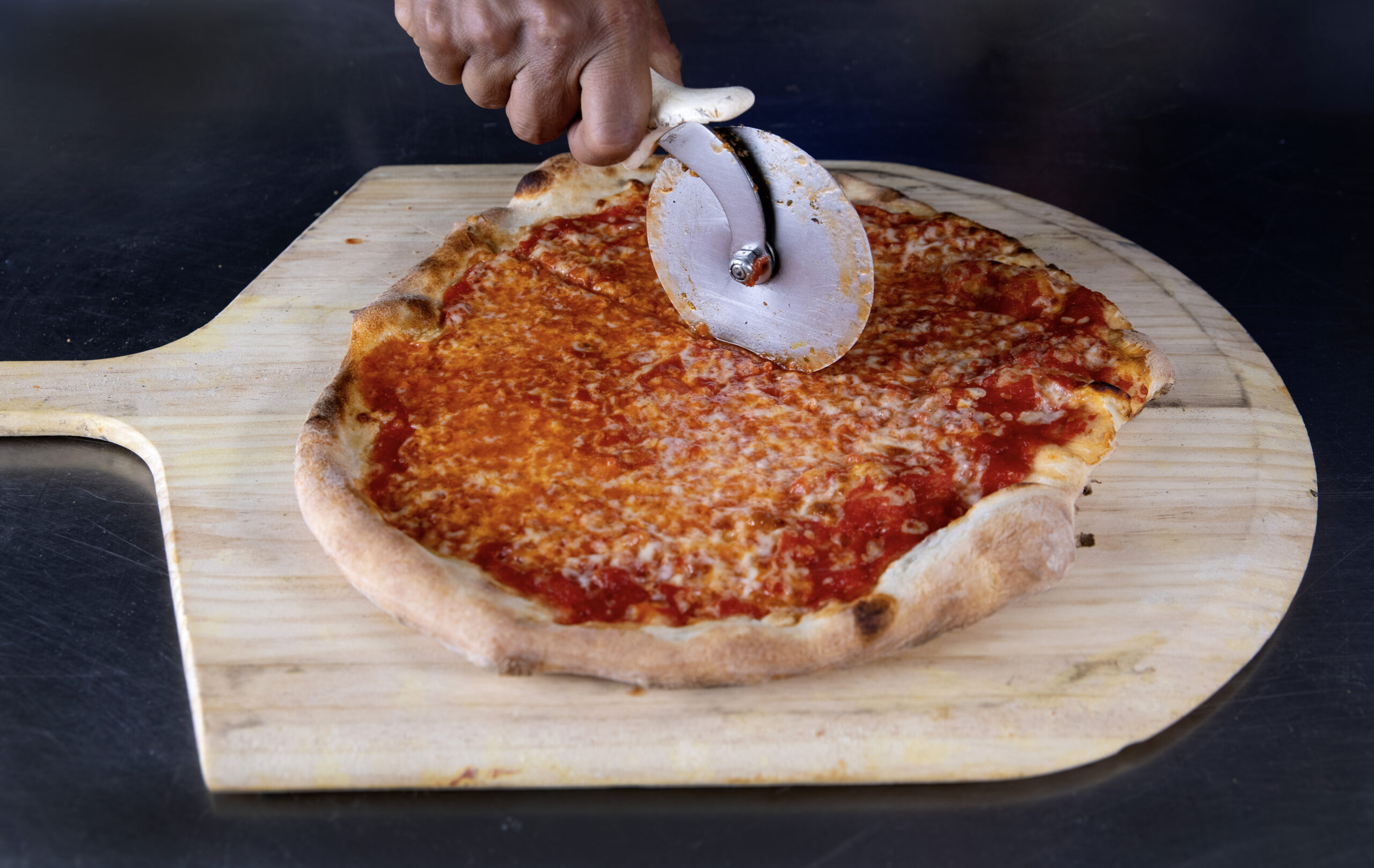
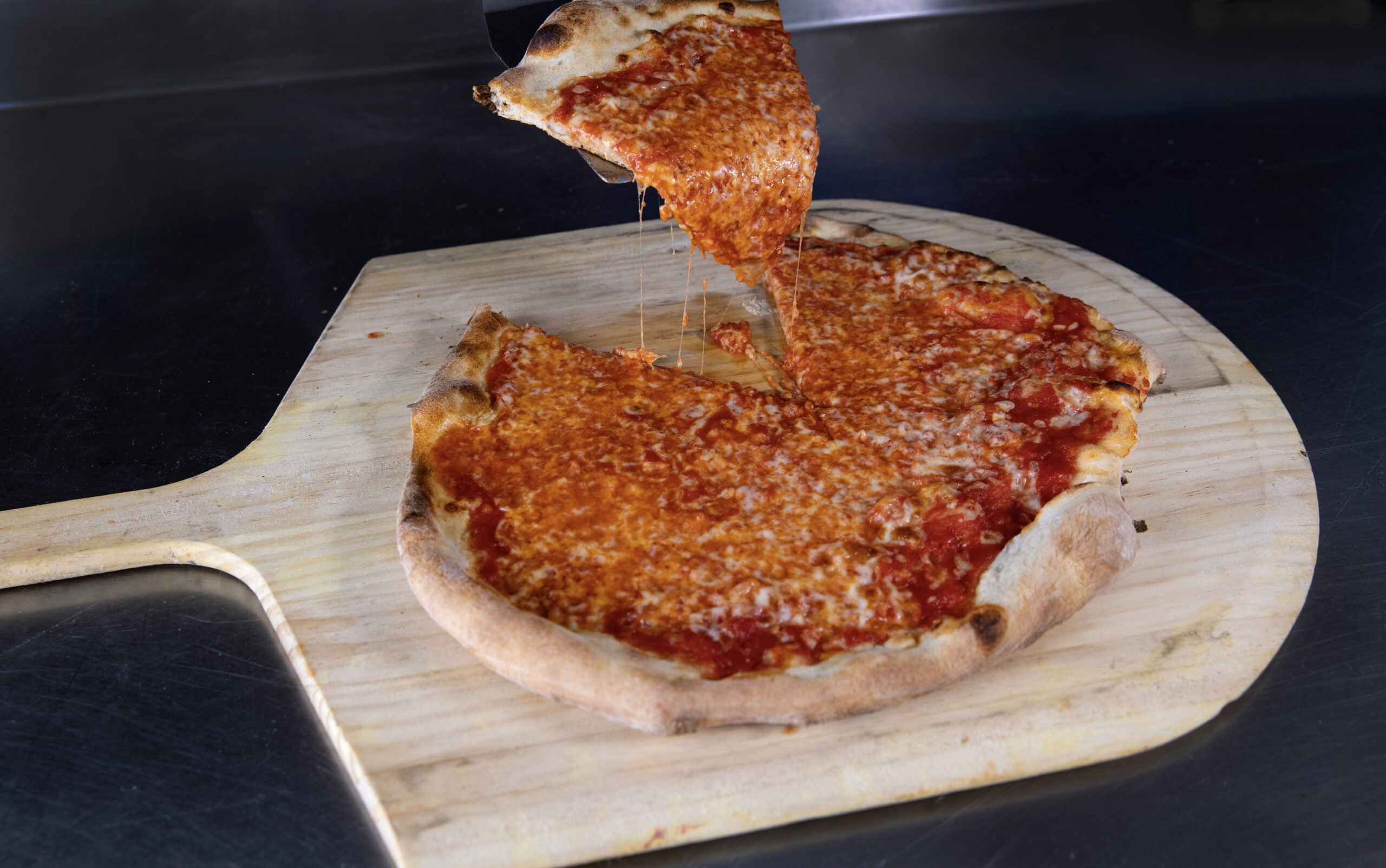
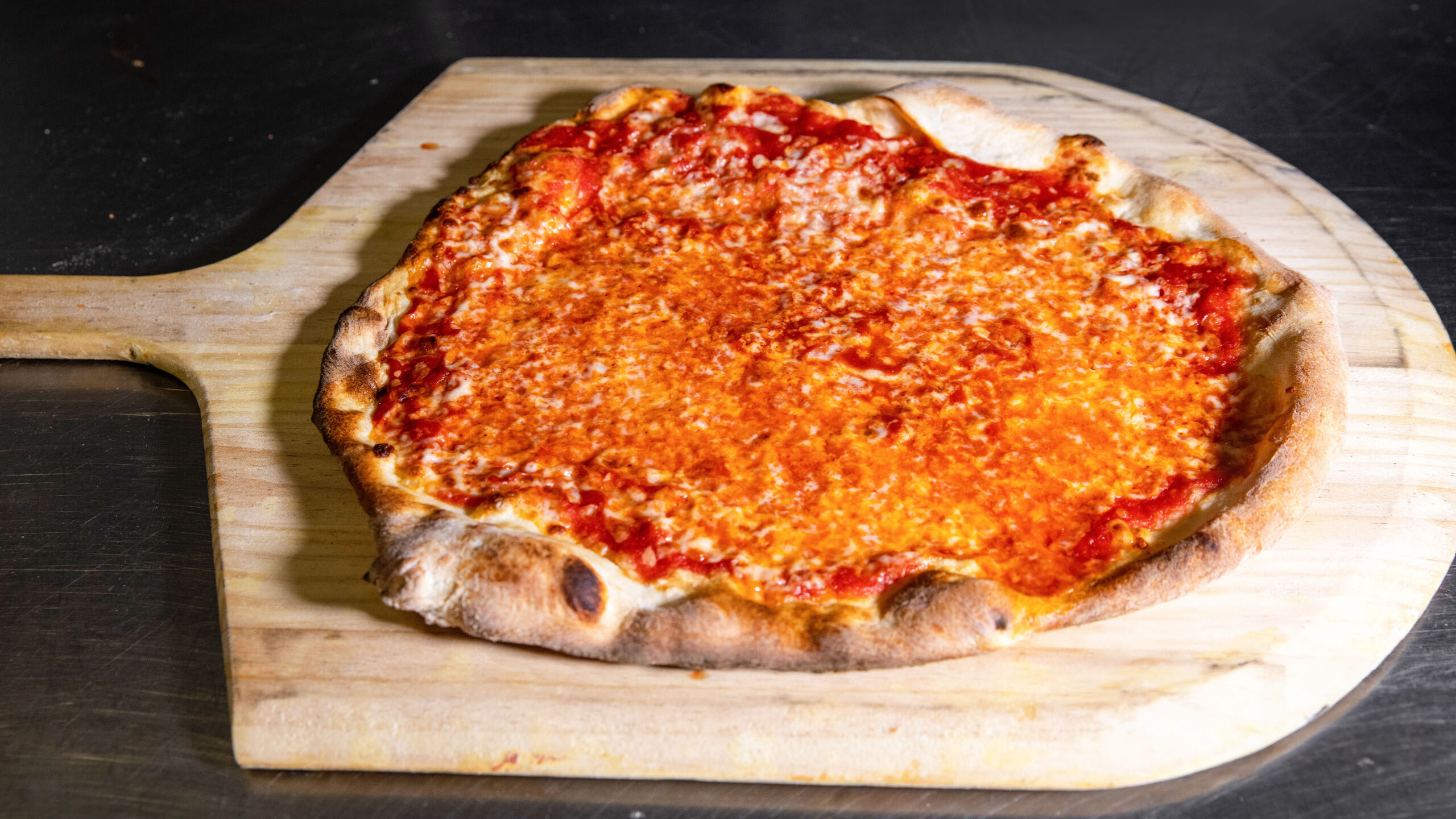
There is something deeply reassuring about a cheese pizza on a quiet evening at home. It is unfussy, familiar, and surprisingly flexible. When dinner needs to feel comforting without slipping into monotony, cheese pizza has a way of meeting the moment. It can be crisp and elegant with a good olive oil drizzle, or casual and family style with paper napkins, a movie, and everyone reaching for the last slice.
A cozy dinner does not need elaborate techniques or a sink full of cookware. In fact, the best pizza nights usually lean in the opposite direction. They feel warm rather than performative. The goal is not to turn your kitchen into a pizzeria for three hours. The goal is to create an evening that feels welcoming, easy to settle into, and worth repeating.
Over time, I have found that a memorable pizza night depends less on complexity and more on a few smart choices. The crust matters, of course. So does the cheese. But the bigger difference often comes from atmosphere, timing, and the little extras around the edges of the meal. A simple salad served cold against hot pizza. A lamp switched on instead of the overhead light. Dough proofing while a favorite playlist runs in the background. Those details shape the night as much as the food itself.
Why cheese pizza works so well for a cozy dinner
Cheese pizza has range. That is part of its charm. It appeals to children, skeptical eaters, guests with simple tastes, and people who genuinely love the clean balance of crust, sauce, and melted cheese. It can stand on its own without explanation. No one needs convincing when cheese pizza lands on the table.
It also gives the cook room to focus on quality. Once toppings are stripped back, every component becomes more visible. A bright tomato sauce, a well browned crust, and properly melted cheese do all the heavy lifting. When those elements are in balance, the result feels complete rather than plain.
There is a practical side to this too. Fewer toppings mean less prep, fewer variables, and a shorter path from counter to table. That makes cheese pizza an excellent anchor for a weeknight dinner when energy is limited, but you still want the evening to feel intentional. If you are cooking for guests, it helps avoid the common problem of overloaded pizzas that bake unevenly and never quite crisp.
The other advantage is emotional. Cheese pizza feels nostalgic for many people. It recalls childhood birthday parties, late Friday dinners, corner slice shops, and the first thing everyone agreed on ordering. Nostalgia is not a small ingredient. It softens the room.
Start with the kind of pizza night you actually want
Before thinking about dough or mozzarella, decide what kind of evening you are building. There is a difference between a hands on, flour-on-the-counter pizza night and a low effort version built around good store bought dough. Both can be cozy. Both can be delicious. The right choice depends on your schedule and your mood.
If you want the ritual, make the dough. Let it rise while you tidy the kitchen and set the table. Roll or stretch it by hand. The process slows the evening down in a useful way. It gives dinner a beginning rather than making it feel like one more task.
If you want dinner on the table fast, there is no shame in a shortcut. A good supermarket dough, a reputable bakery dough, or even a quality flatbread can still produce a satisfying cheese pizza. The trick is to be Cheese Pizza brooklynpizzaboulder.com selective about where you cut corners. Convenience does not have to mean compromise everywhere.
When I host casual friends at home, I often split the difference. I buy dough from a local pizzeria, make my own sauce, and use the best cheese I can find. That combination gives me a head start without sacrificing flavor. It also keeps the kitchen relaxed, which matters more than many people realize. Guests tend to remember the mood of the Cheese Pizza evening long after they forget exactly how the crust was made.
The crust sets the tone
Crust choice shapes the whole meal. A thin, crisp base feels a bit more polished. A thicker, chewier crust leans comforting and generous. Pan pizza has a soft interior and crisp edges that suit cooler weather and larger appetites. None of these styles is inherently better. They simply create different kinds of dinners.
For a cozy night, I like dough that stays tender inside but develops enough color on the bottom to crackle lightly when sliced. That usually means moderate hydration, a hot oven, and a preheated surface if possible. A pizza stone helps. Steel helps even more, especially in a home oven that struggles to mimic commercial heat. If you do not have either one, a heavy sheet pan turned upside down can still improve browning.
The biggest mistake home cooks make with dough is trying to force it before it is ready. Cold dough fights back. It shrinks, tears, and makes people think they are bad at shaping pizza. Letting the dough come close to room temperature changes everything. It stretches more willingly and bakes more evenly.
Flour choice matters less than many people assume, unless you are chasing a very specific style. Bread flour gives a little more chew. All purpose flour is perfectly workable for most home kitchens. The real gains come from fermentation and handling. A dough that has had time to develop flavor, even overnight in the refrigerator, will outperform a rushed one nearly every time.
Cheese is not just cheese
If the title of the night is Cheese Pizza, then the cheese deserves thought. The default choice is low moisture mozzarella, and for good reason. It melts evenly, browns predictably, and does not flood the pizza with water. Fresh mozzarella brings a softer, milkier quality, but it requires restraint. Too much, or not drained well, and the center of the pizza can turn wet.
My preferred balance for home baking is often a combination. Low moisture mozzarella for structure and coverage, plus a smaller amount of fresh mozzarella torn into modest pieces for creamy pockets. A little grated pecorino or Parmesan on top adds salt and depth. That blend tastes fuller without becoming heavy.
Pre shredded cheese is convenient, but it rarely melts as well as a block shredded at home. The anti caking agents used to keep the shreds separate can slightly dull the texture. It is not a disaster, especially on a busy weeknight, but if you are trying to make a simple pizza feel special, grating your own is worth the extra two minutes.
There is also the matter of quantity. Many home pizzas suffer from too much cheese rather than too little. Overloading the surface can block moisture from evaporating, leading to a pale top and a soggier center. A good cheese pizza should feel abundant without turning into a blanket of molten weight. You want the sauce to peek through in places. You want the crust to stay itself.
Sauce should support, not dominate
For a cozy pizza dinner, the sauce should taste bright and clean. It does not need to be cooked for an hour. In fact, many excellent pizza sauces are barely cooked at all, or not cooked before baking. Good canned tomatoes, a pinch of salt, perhaps a little olive oil, and maybe a restrained amount of garlic or oregano can be enough.
The key is not to over-season. Pizza sauce reduces further in the oven, and cheese already contributes richness and salt. A heavy, aggressively seasoned sauce can overwhelm the pie and make every slice feel the same. A cleaner sauce gives the crust and cheese room to speak.
There is one practical point that often gets overlooked. Use less sauce than you think. This is especially true for thinner crusts. Too much sauce drags the center down and makes slicing messy. You are aiming for coverage, not a thick layer.
Building a dinner around the pizza
A warm, easy evening rarely comes from the main dish alone. It comes from what surrounds it. With cheese pizza, the supporting cast should stay simple and chosen with purpose. Think contrast rather than volume. Since pizza is hot, rich, and carb forward, the rest of the meal benefits from freshness, crunch, or a touch of bitterness.
A sharply dressed green salad works beautifully. So do roasted vegetables, especially if they can go into the oven before the pizza or after it while everyone is eating. If you want something more snack like while the pizza bakes, a bowl of marinated olives or salted nuts can bridge the gap without stealing the show.
For drinks, keep the same spirit. Sparkling water with citrus feels crisp and adult without effort. Beer is a natural partner, particularly lighter lagers or pale ales that will not bully the cheese. Wine can work too. A bright red, a dry rosé, or a clean white each pair more gracefully with cheese pizza than many people expect. The best choice is the one that fits the room, not the one that sounds the most sophisticated.
A few combinations that make the night feel complete
- Cheese pizza with a lemony arugula salad and sparkling water with orange slices
- Pan style cheese pizza with roasted broccoli and a cold lager
- Thin crust cheese pizza with tomato soup for dipping on a chilly night
- Cheese pizza with a bowl of grapes, walnuts, and a simple vinaigrette salad
- Late movie cheese pizza with garlic knots and a pitcher of iced tea
Those combinations work because they keep the dinner grounded. Nothing competes for attention. Everything nudges the evening toward comfort.
Make the room do some of the work
Food matters, but atmosphere often decides whether dinner feels rushed or restorative. Pizza nights shine when the room supports the meal. That does not require candles and a playlist curated three weeks in advance. It means softening the edges of the evening.
Warm lighting helps more than people realize. Overhead lights can make even excellent food feel like a quick stop in a waiting room. A lamp on the sideboard or under cabinet light at half brightness changes the mood immediately. Music should sit behind the conversation, not on top of it. If children are involved, setting out cups and napkins before the pizza comes out prevents the usual scramble and keeps the first five minutes calm.
Serving style affects the feeling too. A pizza cut into generous squares in a sheet pan suggests coziness and abundance. A round pie set on a wooden board feels a little more occasion worthy. Even using warmed plates for a sit down version can elevate a simple cheese pizza into a dinner people linger over.
I have also learned that timing matters. If everyone is hungry and the first pizza is still twenty minutes away, the room grows restless. Having something small to nibble, or simply being realistic about the bake schedule, protects the mood. The cozy version of dinner is rarely the one that keeps people waiting while the cook apologizes from the oven door.
If you want to make it interactive, keep it controlled
There is a version of pizza night where everyone builds their own pie. This can be fun, especially for families, but it can also become cluttered and chaotic fast. Flour gets everywhere. Toppings multiply. The oven becomes a bottleneck. If your aim is a relaxed dinner, limit the choices and keep the core of the meal consistent.
One good approach is to make cheese pizza the default base and offer small finishers after baking. A few leaves of basil, some chili flakes, a drizzle of hot honey, or extra grated cheese allow customization without disrupting the process. This preserves what makes cheese pizza satisfying while giving people a sense of participation.
For children, interactive can mean smaller things. Let them sprinkle the cheese. Let them brush the crust edge with olive oil. Let them choose the movie that follows dinner. They do not need complete control over the pie to feel involved.
Cozy variations for different seasons
Cheese pizza adapts beautifully across the year. In colder months, lean into richer textures and warmer sides. A pan baked cheese pizza with caramelized edges feels especially right in autumn and winter. Pair it with roasted vegetables, a tomato soup starter, or even a simple bean salad if you want more substance on the table.
Spring calls for brightness. A thinner crust cheese pizza topped after baking with basil, arugula, or a squeeze of lemon can feel lighter without losing comfort. Summer is ideal for taking pizza outdoors if you have a grill or simply a patio table. The coziness becomes less about blankets and more about the ease of eating at sunset while the kitchen cools down behind you.
The point is not to reinvent the meal every few months. It is to let the season guide the details. Cheese pizza remains the constant. The setting shifts around it.
Common pitfalls and how to avoid them
Most disappointing homemade pizzas can be traced to a small number of issues. The first is insufficient oven heat. Home ovens vary, but pizza generally benefits from as much heat as your setup safely allows. Preheating for a full thirty to forty five minutes, especially if you are using a stone or steel, makes a bigger difference than another sprinkle of herbs ever will.
The second issue is moisture. Wet dough, watery cheese, and too much sauce all conspire against a crisp result. If using fresh mozzarella, blot or drain it. If the tomatoes are very loose, crush and strain them lightly. If vegetables are involved on the side, keep them off the pizza unless you have cooked off some moisture first.
The third problem is overhandling the dough. People tend to press out all the gas they worked to build. Gentle shaping preserves a lighter texture. It does not have to be perfect. Slightly uneven homemade pizza often eats better than the aggressively uniform kind.
The final pitfall is trying to do too much at once. A cozy dinner has rhythm. If you are making dough from scratch, elaborate sides, dessert, and drinks with homemade syrups, you may spend the night chasing tasks instead of enjoying it. Better to do three things well than eight things anxiously.
When store bought is the smarter choice
There are nights when making everything from scratch is satisfying, and there are nights when it is unnecessary. A smart home cook knows the difference. If work ran late, the kitchen is warm, and people are hungry, use the shortcut. Buy the dough. Buy the sauce if you trust it. Focus your effort where it will be noticed most.
One of the best cheese pizzas I have made at home started with a ball of dough from the corner pizzeria, a can of good tomatoes blitzed with salt, and a mix of mozzarella and pecorino. The whole thing took less than forty minutes from start to finish, including preheat. We ate it with a crunchy salad and finished the evening with tea and a card game. No one would have been happier if I had insisted on making every element from scratch.
That is worth remembering. Cozy dinners are about generosity, not purity.
Dessert can be very simple
After cheese pizza, dessert should feel like a gentle follow up, not a second production. Something small and familiar works best. Ice cream, cookies, sliced pears with a little chocolate, or affogato if the crowd is leaning grown up. If you want the evening to stretch a bit longer, serve hot drinks and put something sweet in the center of the table rather than plating it formally.
This is especially useful when hosting. People are often full after pizza, but they still like the option of a little something sweet. A modest dessert keeps the evening open ended and comfortable.
A short prep plan that keeps the evening smooth
- Bring dough to room temperature before shaping
- Preheat the oven longer than you think you need
- Keep toppings minimal and dry, especially the cheese
- Set the table and drinks out before the first pizza bakes
- Slice and serve immediately, pizza waits for no one
Those five habits solve most of the problems that derail a pizza night. They are small, but they compound.
Let the ritual become the point
The nicest thing about a cheese pizza night is that it can become a ritual without becoming stale. People begin to associate it with ease, familiarity, and time together. Maybe it happens every Friday. Maybe only once a month. Maybe it appears after the first cold snap of the season, or whenever someone in the house needs a little comfort without making a fuss about it.
That is where simple food earns its place. Not because it is dramatic, but because it is dependable. Cheese pizza, done with care, delivers exactly that. It turns an ordinary evening into one that feels softer around the edges. It asks for enough attention to feel intentional, but not so much that you cannot enjoy your own dinner.
If you keep the ingredients good, the setup calm, and the expectations realistic, a cheese pizza night becomes more than a meal. It becomes one of those domestic habits people genuinely look forward to, the kind that makes home feel especially like home.
Brooklyn Pizza
1647 Arapahoe Ave
Boulder, CO 80302
+1 720-328-2324
FAQ About Cheese Pizza
What type of cheese is used on a cheese pizza in Boulder, CO?
The cheese varies by pizzeria. Brooklyn Pizza uses whole-milk mozzarella made in-house on its standard pies and offers a plant-based cheese option for vegan pizza. Ask the shop directly about ingredients if you have a dietary restriction.
How many slices are in a large pizza in Boulder, CO?
Slice count depends on how the shop cuts the pie. Brooklyn Pizza lists a 16-inch large pizza. If you are ordering for a group, call to confirm the number of slices or ask whether a smaller cut is available.
What is New York style pizza in Boulder, CO?
New York-style pizza usually has a thin crust and wide slices that can be folded. A classic cheese slice pairs tomato sauce with mozzarella. Brooklyn Pizza serves New York-style pizza by the slice and as whole pies.